
The advantage of doing the same thing over and over again

When I look at the entirety of my ideas, I see an overwhelming amount of things I’d like to make. It’s a dreamer thing, I guess. But I realized that some people achieve more due to a simple mindset change.
Think of the following game makers:
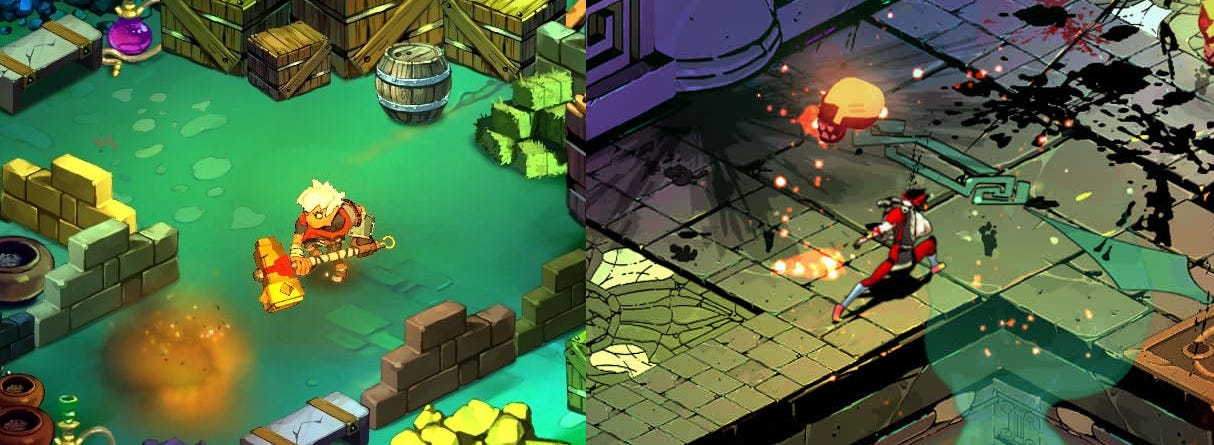
Supergiant, the makers of Bastion, Transistor, and Hades
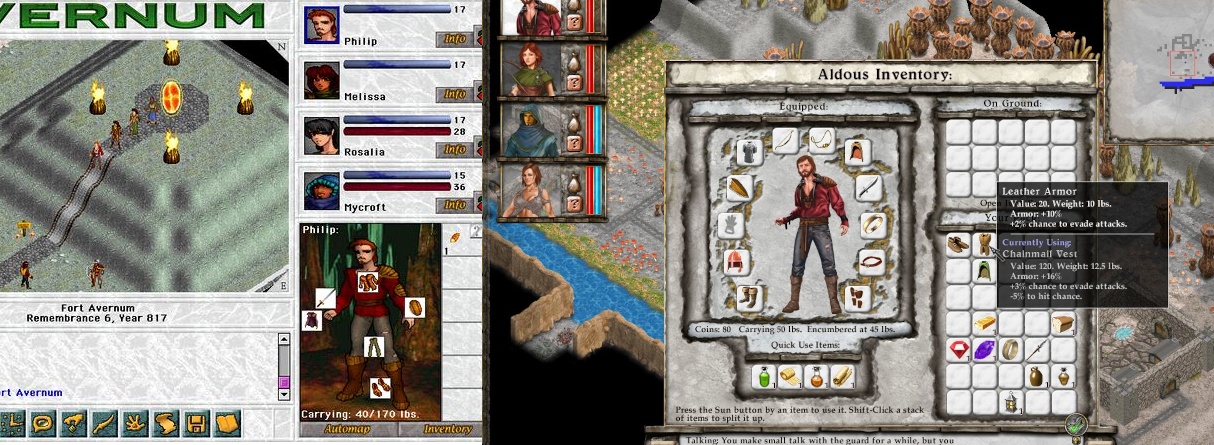
Jeff Vogel, author of RPGs like Avernum and Geneforge (and this very interesting newsletter on Substack)
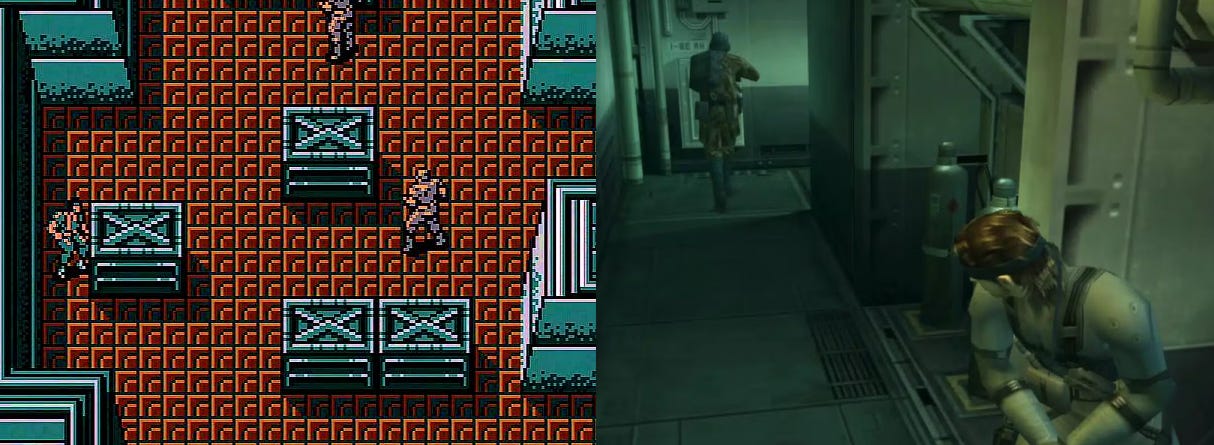
Hideo Kojima, when he was making Metal Gear Solid
Vannilaware, who usually make different games, but they do limit themselves to 2D games.
All those makers limit themselves to achieving more. And many things come out of this approach.
Hideo Kojima, although a producer on many games at Konami, usually made better versions of the same game. Story aside, focusing on game mechanics - every Metal Gear game improved upon the previous game, with MGS, MGS2, and MGS3 offering the top-down view with some adjustments (I think they went third person once they started MGS4). But with every game, they improved the formula. I think the same can be said about Supergiant. Benefit? You take what works, you improve it, everybody has the same of what they loved, but better.
Jeff Vogel limits himself to top-down isometric RPGs. But when you look at his games, you’ll notice that for a two-person studio, he sure makes a lot of remakes. Since he codes the game himself, I assume that he works on the same codebase, and once he manages to achieve something more (like an isometric view), he can produce a remake of his game with greater ease. The benefit? You can make your games live longer, and become better at making your favorite genre.
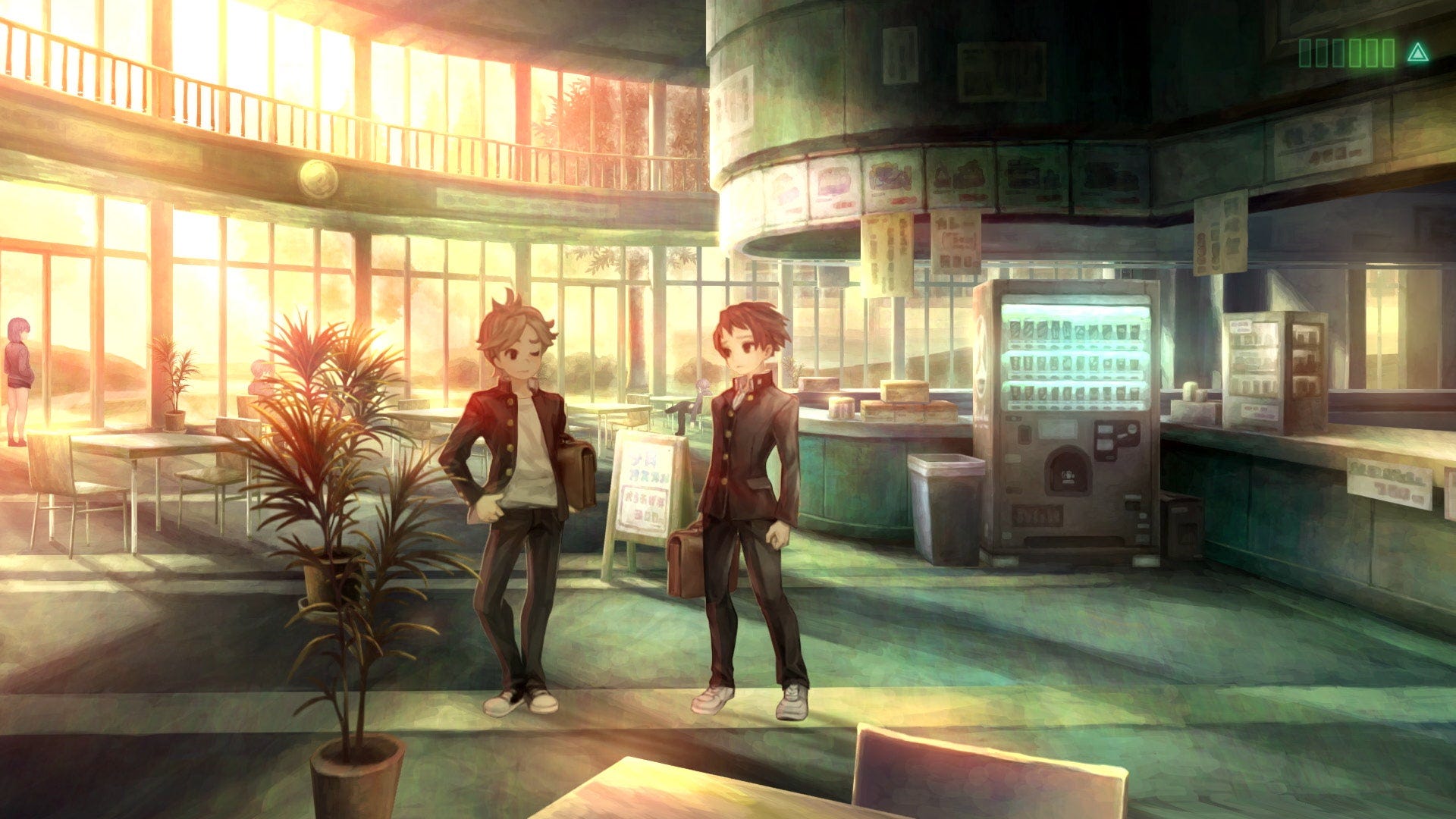
Vanillaware, among many artistic decisions they made, seems to be faithful to two of them: consoles only (they did extend from PlayStation to Switch, thankfully, but they are avoiding PC like fire) and 2D.
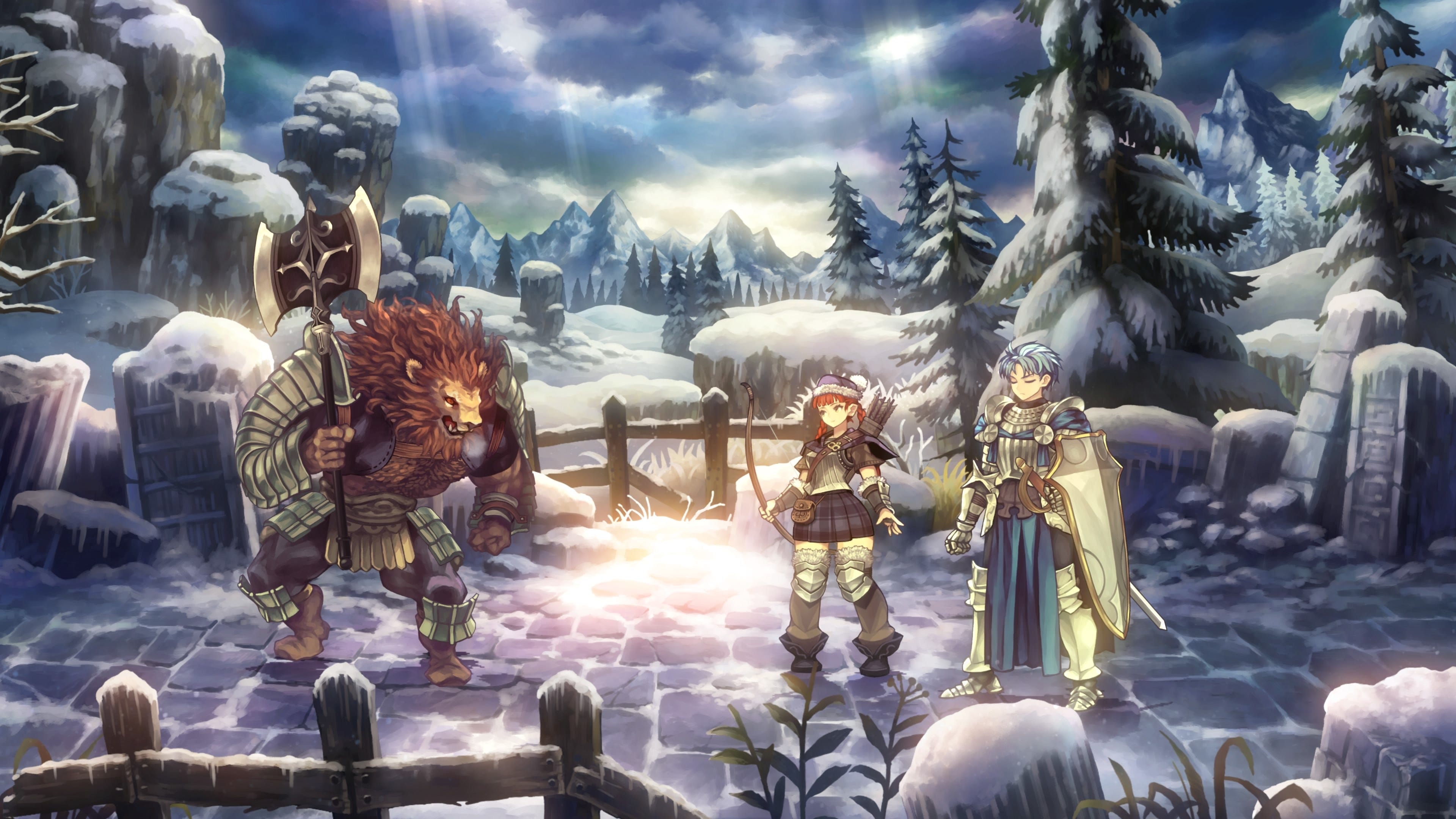
I’m pretty sure you can think of many examples of such cases.
Will that mean less work? Not necessarily. Hollow Knight Silksong, the sequel to Hollow Knight (just in case you didn’t know), took almost a decade to finish. Given the fact that the game looks very similar to its prequel, one might conclude that drawing assets and polishing a game can take a really long time when done properly.
On the other side, isn’t the same true for the 2D adventures of our favorite plumber? In the end, the formula isn’t changing much, but the games seem to be offering different experiences from time to time.
But it seems to be worth it.
Whether you're thinking about niching down, specializing, or limiting yourself by hardware or dimensions, limitations can unlock creativity and provide you with progress on the chosen path.
"On the other side, isn’t the same true for the 2D adventures of our favorite plumber? In the end, the formula isn’t changing much, but the games seem to be offering different experiences from time to time."
The jump from Super Mario Bros 3 to Super Mario World is a perfect example of this. Both have elements that allow Mario to fly, but Super Mario World introduced Yoshi which gave a whole new gameplay layer to the game
Guess game design is like music: all about balance.
Say yes to your every whim, and you get feature creep chaos, and music with no rhyme or reason.
Say no to everything, and you get into boring territory, or a single repeating note song.
Great music blends repetition with variation; great games thrive on guiding rails with room for creative twists & turns.
I think this applies to life itself. 😁